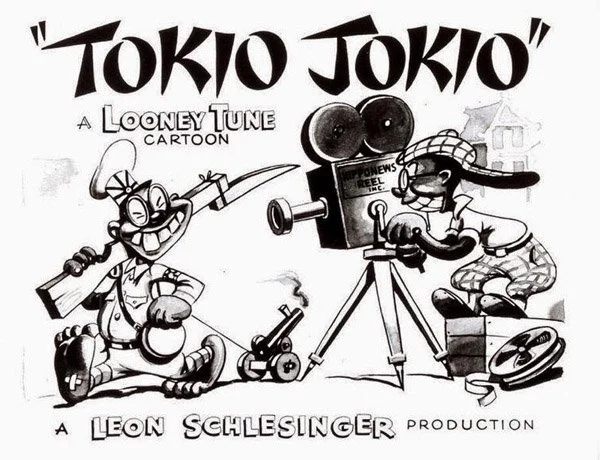
Click on image to learn more.
GROWING ANTI-JAPANESE SENTIMENT
In 1942, the Glendale Chapter of the California Real Estate Association formed the “Race Restriction Committee” an organization with the goal of banning Japanese people from being able to purchase or lease residences in the city [16].
The primary motivation for this effort, was due to the widespread Anti-Japanese sentiment that emerged during World War II. While the efforts of the Race Restriction Committee used the “dangers” of Japanese Americans as the primary reasoning for why Glendale housing should be prohibited from them, the Committee’s ultimate goal was to eliminate all POC people from Glendale.
In an article published by the Glendale News-Press in 1942, it was reported that the Committee had successfully restricted 60% of all property in the city, and was hoping to increase this practice to the entire city [17].
In the article, Albert I. Stewart, the president of the Board of Directors in Pasadena, praised racially restricted housing measures and stated that, “the problem presented by the Japanese residents of Southern California is more acute today than it has ever been… Japanese aliens are seeking to infiltrate into communities like Glendale and Pasadena, where they can acquire property in the names of their American-born children and control such property in the capacity of guardians of such children” [17]. Stewart additionally proposed more extreme measures to take place in the future, such as his plan for Japanese Americans to be concentrated within specific districts in the U.S. in order to “eliminate any danger” [17].
Russel O. Cochran, a realtor, and director of the Race Restriction Committee additionally quoted that the Glendale Real Estate was able to successfully halt this “Japanese influx” and that completion of their restriction program would successfully “[bar] the gate of Glendale to any element that might affect adversely the property values” in the city [17]. In a separate Glendale News-Press article also published in 1942, J. Paul Clark, the president of the Glendale Real Estate attested that their goal was to “maintain Glendale as ‘the white spot of California’” [18].
The movement by the Racial Restrictions Committee was eventually deemed a “victory”, as it achieved a monopoly on all of Glendale’s housing. Glendale’s “success” of barring non-white residents through this private widespread agreements rather than official legislation, led other Southern California communities to follow suit [16]. The Los Angeles neighborhood of Eagle Rock, and the cities of La Habra and Huntington Beach, used Glendale’s strategy of forming alliances with residents and realtors as a model for controlling the racial demographics of their populations [16].
For the next two decades, Glendale remained an exclusively white community, with very few exceptions, until the passing of the California Fair Housing Act in 1963, which legally prohibited the practice of race restrictions [16]. Glendale’s Racial Restrictions Committee attempted to counter this by proposing Proposition 14, which would nullify the Act but the Proposition ultimately did not pass [16].
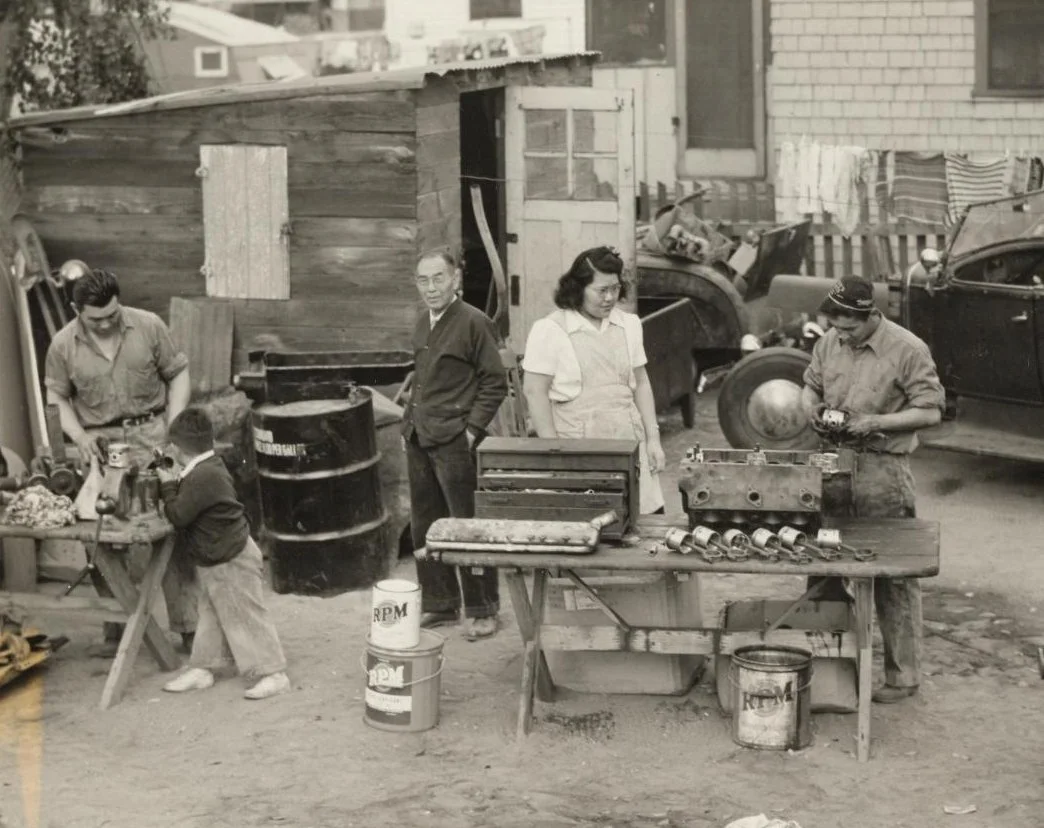
Click on image to learn more.
THE HILLCREST SANITARIUM
With the passing of Executive Order 9066 in 1942, Japanese Americans were forcibly removed from their homes and incarcerated in “Relocation Centers” for the remainder of WWII.
However, Japanese Americans suffering from tuberculosis were too ill to be moved to these Relocation Centers. In order to imprison them while “accommodating” for their illness, these Japanese Americans were instead transported to the Hillcrest Sanitarium in the La Crescenta neighborhood of Glendale, where they were guarded by an armed soldier [20].
Hillcrest Sanitarium eventually came under criticism as people believed the hospital should be used to care for “real” American citizens and not “enemy” Japanese [20].
After World War II, Hillcrest Sanitarium operated as a Japanese American sanitarium until its closure in the 1970s [21].
WORLD WAR II
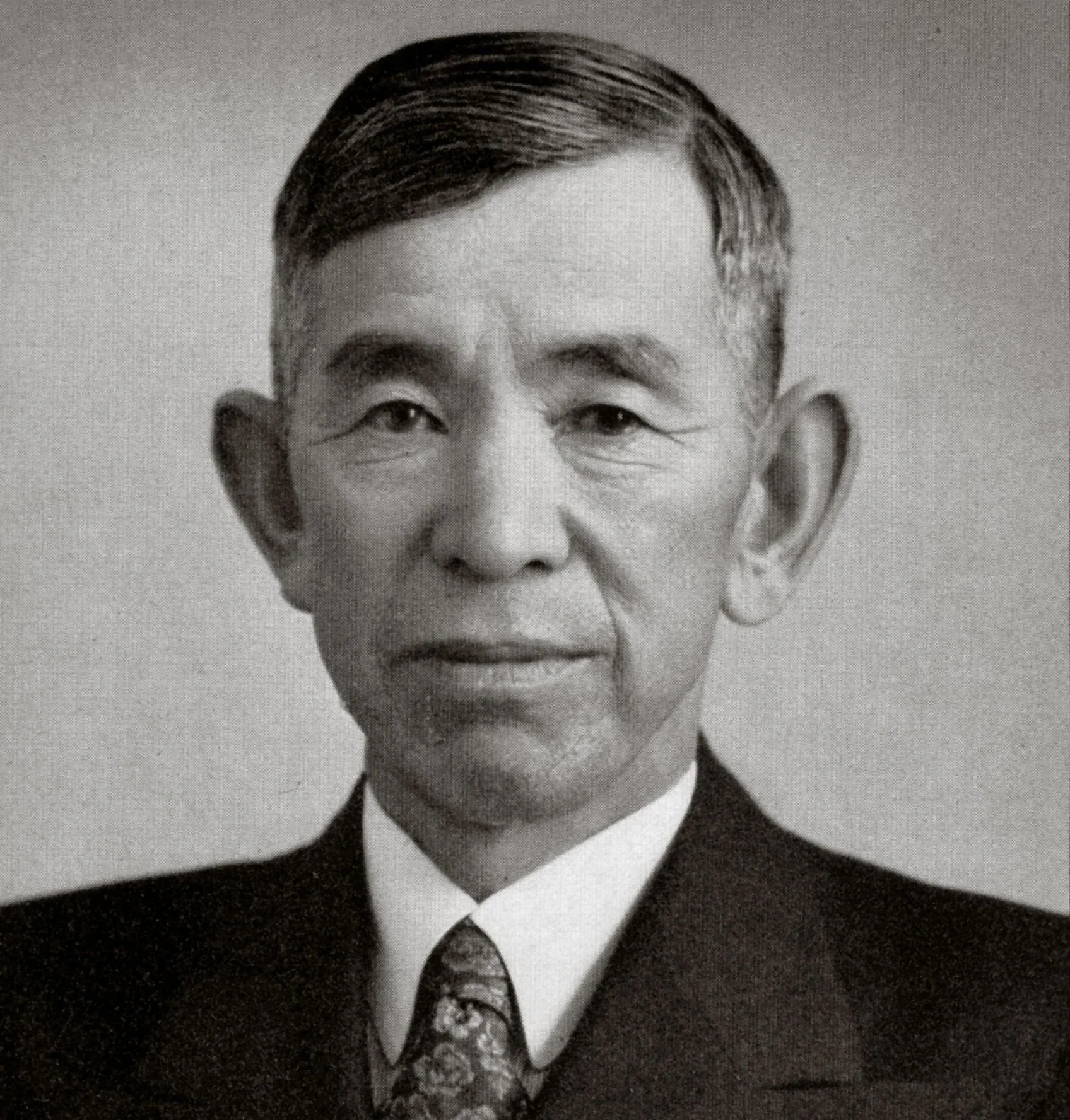
Click on image to enlarge.
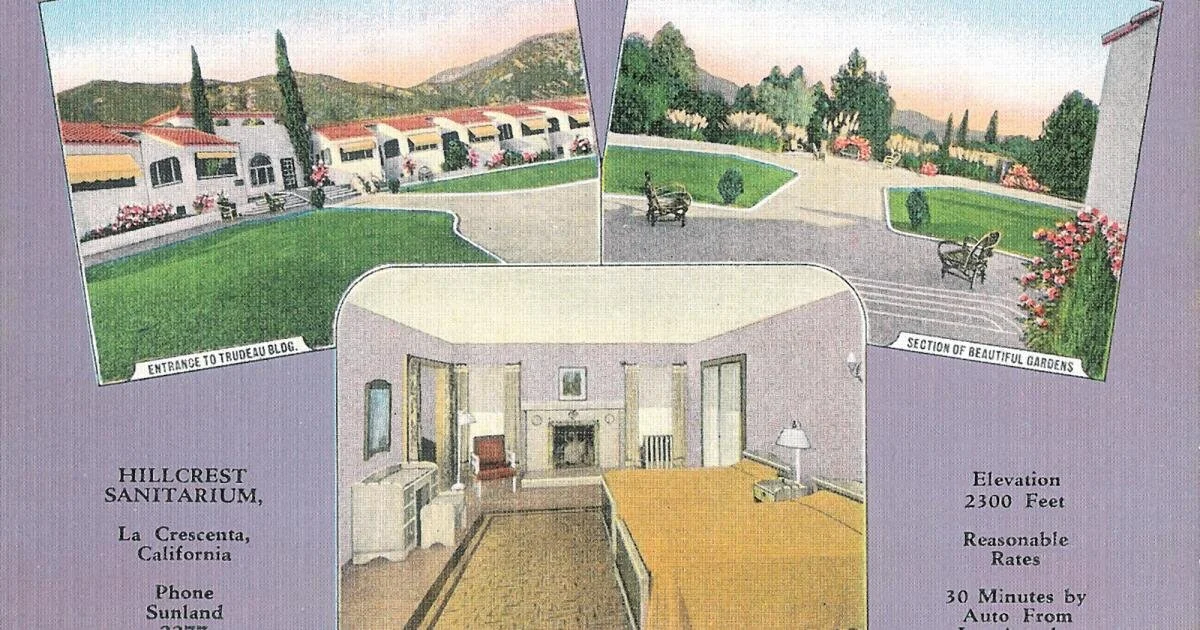
Click on image to learn more.
DESCANSO GARDENS
Situated in the La Crescenta Valley is Descanso Gardens, a botanical garden on the former estate of newspaper publishing tycoon E. Manchester Boddy.
One of the most well-known plant collections in the Gardens, are its camellias. What is lesser-known however, is how this collection came to be.
F. M. Uyematsu and Fred Waichi Yoshimura were both successful horticulturists in the Los Angeles Area, with Uyematsu even earning the nickname of “Camellia King” [19].
Upon the forced incarceration of Japanese Americans during WWII however, both Uyematsu and Yoshimura had to surrender their businesses and Boddy purchased over 300,000 camellia plants from both men [19]. While Boddy was reportedly a personal friend of both Uyematsu and Yoshimura, it is unknown whether Boddy acquired the plants for a fair price [19].
The camellia plants continue to thrive at Descanso Gardens, nearly 85 years later, and serve as a reminder of the what Japanese Americans were forced to relinquish during WWII.