ORIENTALISM
Sister City with Higashiōsaka & Resulting Orientalism
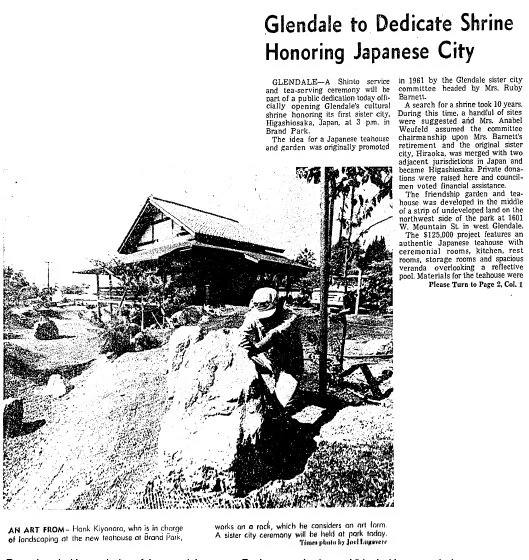
In 1960, Glendale formed a Sister City alliance with the community of Hiraoka (now known as Higashiōsaka), Japan [24]. This led to an increased interest in Japanese culture city-wide. In the following years, Japanese and “Oriental” themed parties which were hosted by various Glendale organizations, became very common.
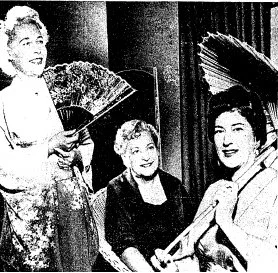
The first reported instance of this occurring was a 1958 Glendale fashion show which as “Japanese-themed” included Nisei models, Japanese classically trained dancers, and an exhibit of Japanese dolls [25]. Several years later, a 1961 article by The Los Angeles Times reported that the year’s theme for the annual friendship breakfast of the Glendale Branch of the American Association of University Women would be themed “oriental” [26]. A 1966 article, also by The Los Angeles Times additionally informed Glendale residents of an upcoming dance to be held: “Mr. and Mrs. Franklin Mayer will be hosts for the ‘Variations on Kabuki’ party which opens at 7:30pm. Dinner will be served and dancing follow in an Oriental garden with strolling minstrels featured” [27]. Throughout the later half of the 1960s and early 70s, these Asian-themed events, art shows and cultural exhibitions continued.
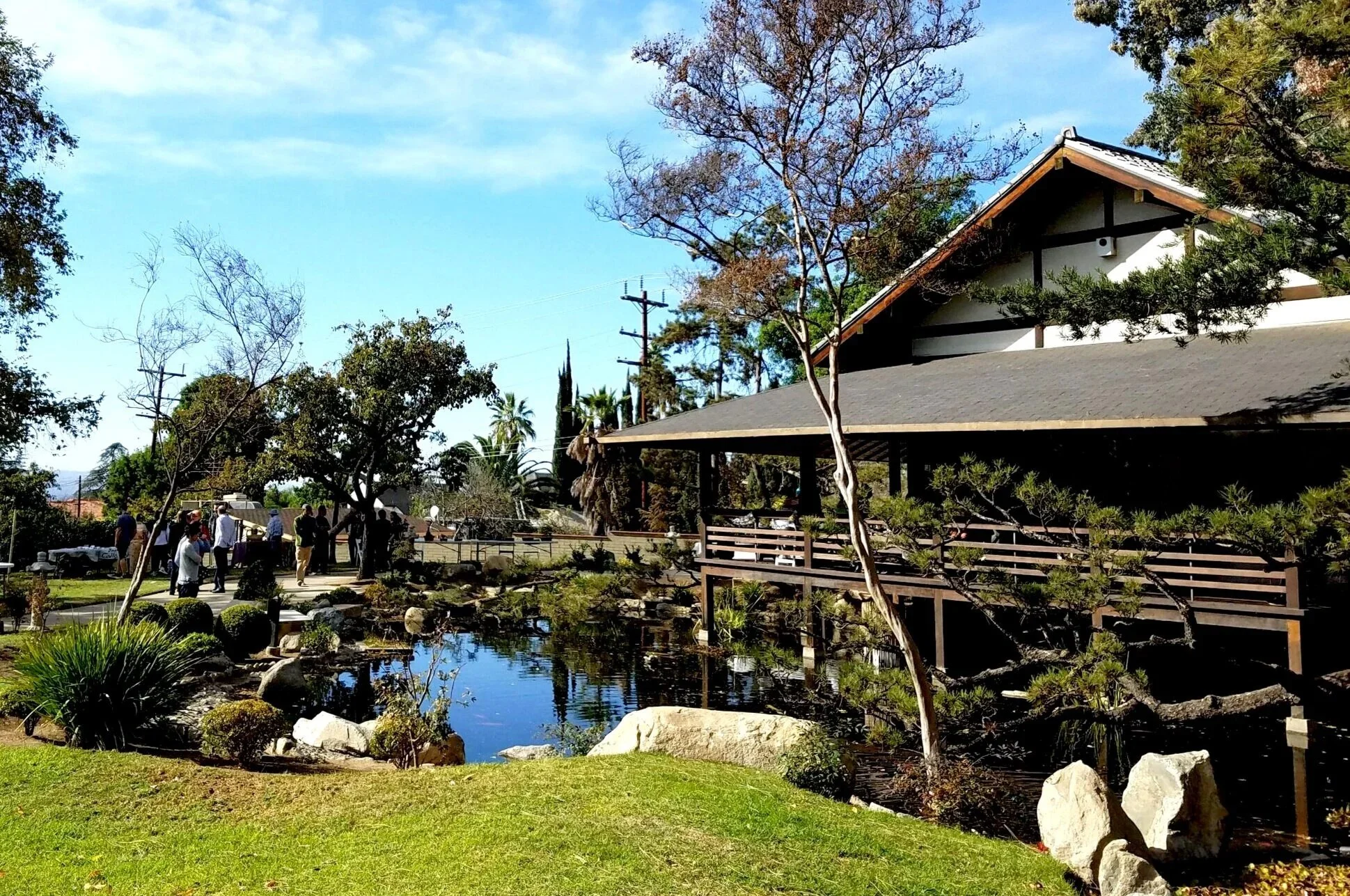
On a more official level, the City of Glendale itself additionally proposed to build a garden in honor of Hiraoka, with a goal to "be “useful to our citizens for cultural and recreational purposes” [24]. This resulted in the creation of Glendale’s “Whispering Pine Tea House & Garden”, also known as “Shoseian Teahouse”, on the premises of Brand Park in the El Miradero neighborhood. The Teahouse took over a decade to come to fruition, with its grand opening being held in 1974 [28].
The Whispering Pine Tea House is significantly noted as being “one of the few traditional Japanese Teahouses open to the public in the United States” and is meant to symbolize the friendship between the two countries [28]. The Tea House’s architect, Hayahiko Takase, designed the structure to reflect this message, which incorporates both elements of Japanese and Western styles [28].
Since 2001, the Tea House has been operated by the non-profit organization, Friends of the Shoseian, which use it to host cultural ceremonies, community activities and exhibits for Glendale residents to learn about Japanese culture [28].
Click on image to learn more.
Click on image to learn more.
Click on image to learn more.