Click on image to learn more.
Click on image to learn more.

Click on image to learn more.
IMMIGRATION RISE
Up through the middle of the 20th century, Glendale was associated primarily with being a “commuter city” and “1920s suburbia”. In the 1970s, this view changed however as Glendale underwent rapid urbanization. During this time, companies such as Nestle USA and IHOP established their headquarters in the downtown area, and high-rise buildings emerged [5]. The Glendale Galleria opened in 1976, turning the area into a shopping destination [5]. The major Glendale and Ventura freeways were also constructed, connecting the once secluded city to other parts of Los Angeles County [5].
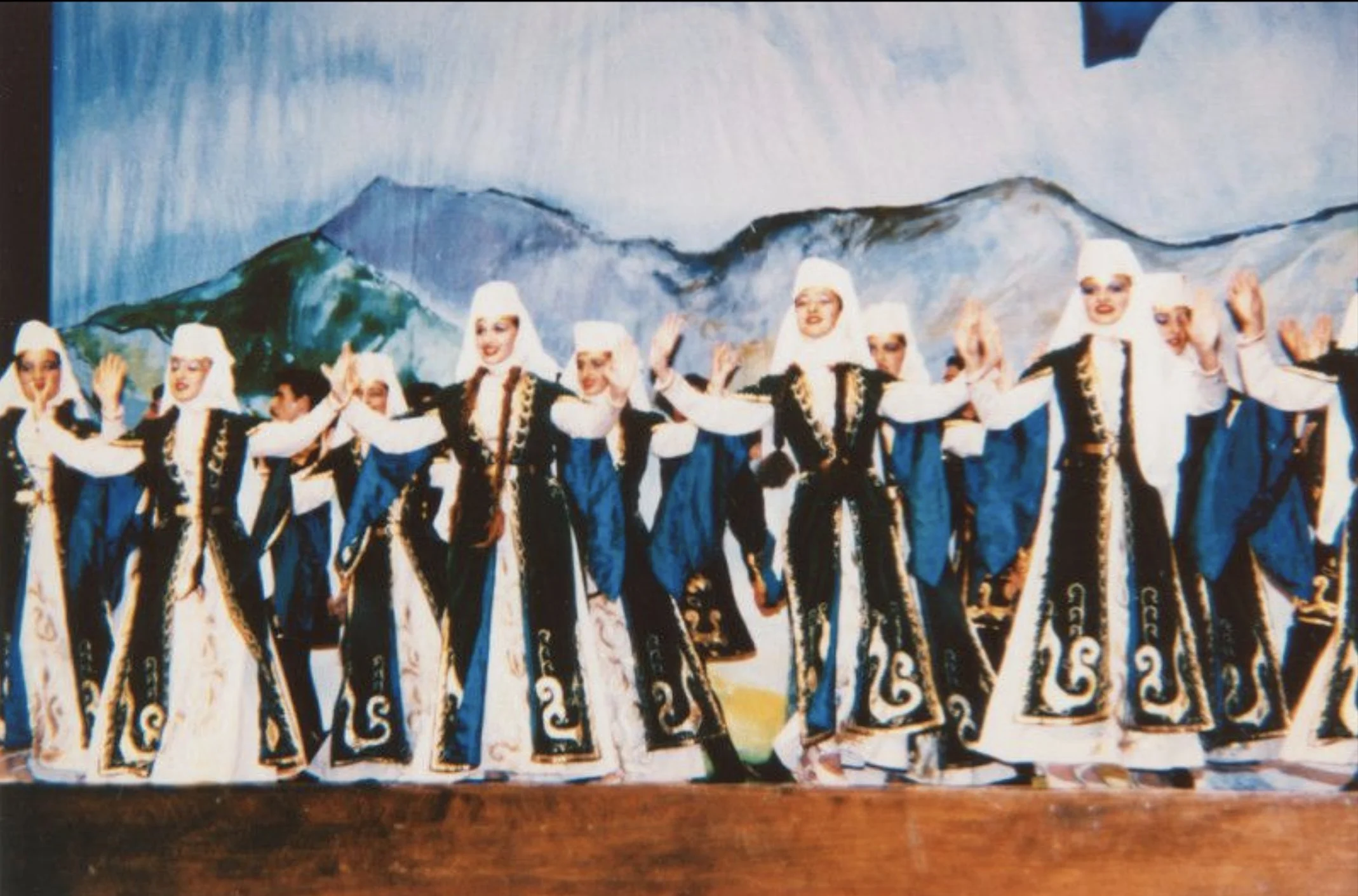
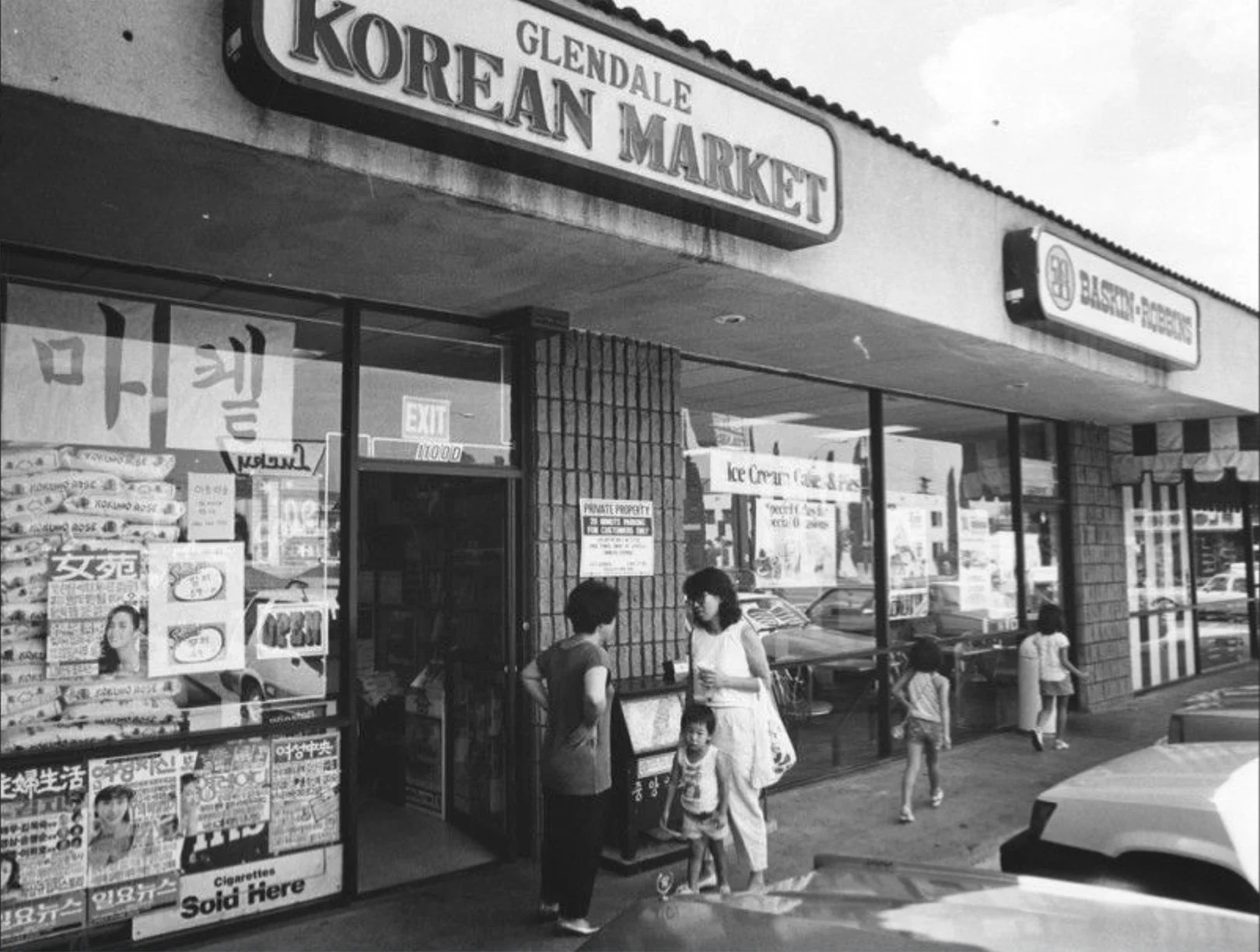
In 1970, Glendale’s population was 132,664 but by 1990, it surged to over 180,000 [5]. Most of these newcomers were immigrants, primarily coming from Armenia and Middle Eastern countries [5]. Additionally, a significant population of Filipinos, Koreans, and Vietnamese settled in the community [5].
This changing demographic was met with mixed reactions from longtime Glendale residents. Some people praised the diversification as evidence of POC groups “rising up”, echoing the “model minority” myth. This viewpoint was the subject of the 1979 Los Angeles Times article, “Upward-bound minorities alter Anglo Enclave, Glendale Burbank, Northeast L.A. Greet Hispanics, Armenians, Orientals” [29]. While meant to be a positive report, the article indirectly suggests that the diversification of these communities is due to minority groups working hard to “earn” their place, and not the actual systemic barriers that prohibited them from being there for so long.
For other Glendale residents however, the changing population of the city was met with harsh criticism. For instance, during the 1980s, many affluent Armenians moved to Glendale, building large modern homes in previously undeveloped areas, leading to an outrage [5].
As a solution, Glendale residents proposed capping the city’s population at 220,000 [5]. When this proposal was considered however, it was determined that the root of the motivation was less about preserving undeveloped hills in Glendale but deeply “fueled by anti-Armenian sentiment among longtime, mostly elderly Anglo residents” [5].
By 1990, Glendale had a proportionally higher immigrant population than the city and county of Los Angeles [5]. During the same year the population of Armenians and Latinos also surpassed the Anglo American population [5].